
Frequently Asked Questions
Frequently Asked Questions | Plumber in Dunedin, Florida | Dunedin Plumbing Pros
If you are hunting for clear answers from a trusted plumber in Dunedin, Florida, Dunedin Plumbing Pros put this FAQ page together to walk you through the questions we hear most.
We built this page because the same honest questions come up week after week from homeowners across Dunedin, and we would rather give you straight answers up front than have you guess. After years of working on local homes, we have handled just about everything: drain cleaning, water heater repair and replacement, pipe repair and repiping, water line work, fixture and toilet installation, garbage disposal service, gas line jobs, slab leak detection, and around-the-clock emergency plumbing. Every question below comes from real calls we field, not from a script. Plenty of houses here go back several decades, and the hard water common across Pinellas County wears on pipes and fixtures faster than folks expect, so many of these questions have a distinctly local flavor. We focus on finding the true cause of a problem instead of patching the symptom, and we treat your home and your time with respect from the first call to the final check. Whether you live near the historic downtown, out toward the causeway, or in a waterfront condo community, we hope these answers save you worry. Look through the sections below, organized by service, and reach out if your situation is not covered here.
General Plumbing Questions in Dunedin
When should I call a plumber instead of trying to fix it myself?
A good rule of thumb is to handle the truly minor stuff yourself and call us when water, gas, or electricity enters the picture in a way you cannot fully control. Plunging a single clogged toilet or tightening a loose handle is fair game. But a leak inside a wall, a water heater issue, any gas concern, or a problem you have already tried once without success is worth a call. In older Dunedin homes especially, what looks small often connects to aging pipe behind it.
What counts as a real plumbing emergency?
An emergency is anything actively causing damage or risking safety right now. A burst pipe flooding a room, sewage backing up, a water heater dumping its tank, no water at all, or any suspected gas problem all qualify. Slow drips and minor drainage issues can usually wait for a scheduled visit, though they should not be ignored for long. If you are unsure, reach out and describe what is happening, and we will help you judge how urgent it is.
Do you work on older homes in Dunedin?
Yes, and older homes are a large part of what we do here. Many Dunedin houses were built decades ago and still run on galvanized supply pipe, dated fixtures, and drains never sized for modern water use. We are comfortable working around that and often serve as the best plumber for older homes in the area by spotting connected issues that less experienced hands miss. We explain what we find plainly, so you understand your whole system, not just the part that failed.
Why do older Dunedin homes seem to have more plumbing problems?
It mostly comes down to age and materials. Pipes installed decades ago, particularly galvanized steel, corrode from the inside over time, which narrows the flow and eventually leads to leaks, rust colored water, and weak pressure. Older drain lines collect buildup and crack as the ground shifts. None of this means your home is in trouble, it simply means the plumbing has reached a stage where attention pays off. We help you understand which issues need action now and which can be watched.
Where is my main water shutoff?
It is worth locating before you ever need it. In many Dunedin homes the main shutoff sits where the water line enters the house, often in the garage, along an exterior wall, or near the water heater, and there is also a valve at the meter box by the street. Find and test yours on a calm day, so that if a pipe ever bursts you can stop the flow fast instead of hunting for the valve while water spreads.
Is hard water really a problem here?
It is a steady, low-grade one. The hard water common throughout this region leaves mineral scale inside pipes, water heaters, and fixtures, which over years reduces flow, shortens the life of appliances, and spots glass and faucets. It will not flood your house overnight, but it quietly works against your plumbing. Flushing a water heater on a regular schedule helps, and we are glad to point out where buildup is doing the most harm in your home.
How much does a typical plumbing repair run?
Every job is different, so we look at the actual problem before discussing what it takes to fix it, rather than throwing out a number that could mislead you. A simple fixture repair and a full repipe sit worlds apart. What we can promise is a clear explanation of the work and your options before anything begins, so you are never surprised once the job is underway.
Can a small leak really cause big damage?
Absolutely, and that is exactly why we take them seriously. A slow drip inside a wall or under a slab can soak framing, feed mold, and rot subflooring for weeks before you ever see a stain. By the time the damage shows, the repair is often far larger than the original leak would have been. Catching it early, when you notice a faint musty smell, a small stain, or a water bill that crept up, keeps a minor fix from becoming a major one.
Drain Cleaning and Clog FAQs in Dunedin
How much does drain cleaning cost in Dunedin?
The honest answer is that it depends on the clog. A simple blockage near a single fixture is quick, while a stubborn obstruction deep in the main line, or one caused by root intrusion or a collapsed pipe, takes more work and the right equipment. Because of that range, we look at your situation and explain what clearing it involves before we start, so you know the scope up front.
My kitchen sink drain keeps backing up, what causes that?
Repeated backups in a kitchen sink usually trace to grease and food residue coating the inside of the drain line, slowly narrowing it until water cannot pass. Sometimes the real trouble sits farther down in the main line. We clear the immediate blockage and, when it helps, run a camera to confirm whether you are dealing with a local clog or a deeper problem. That way the fix actually lasts instead of the same backup returning the following week.
What is the difference between hydro jetting and snaking?
Snaking, or running a powered auger, punches through or pulls out a blockage and is often right for a single clog. Hydro jetting uses pressurized water to scour the full inside of the pipe, clearing grease, scale, and debris along the whole line. For a one-off clog, snaking usually does the job. For recurring buildup, jetting gives a more thorough, longer-lasting result. We choose based on what your line needs after we inspect it.
Why is my bathtub draining so slowly?
A slow draining bathtub is almost always a buildup of hair, soap residue, and mineral scale collecting in the drain and trap. In homes with the hard water common around here, that scale forms a little faster. Sometimes the slowdown points to a problem deeper in the line rather than right at the drain. We clear the immediate blockage and check whether anything beyond the tub is contributing, so you get steady flow back instead of a tub that slows down again within days.
Are chemical drain cleaners safe to use?
We steer homeowners away from them. The harsh chemicals in store-bought drain cleaners can eat at older pipe, especially the aging lines in many Dunedin homes, and they often only punch a small hole through a clog rather than clearing it. They also sit in the pipe if the blockage does not clear, which is hazardous for whoever opens it next. Mechanical clearing is safer for your plumbing and far more thorough. If a product has already gone down, let us know before we start.
Do you offer same day drain cleaning?
In most cases, yes. A backed-up drain is hard to live with, so we work to reach Dunedin homeowners the same day whenever the schedule allows, and we move urgent backups to the front of the line. When you reach out, describe what is happening and we will give you a straight answer about timing rather than leaving you wondering. A clogged main line affecting the whole house always gets treated as the priority it is.
Water Heater Repair and Installation FAQs in Dunedin
When should I call about no hot water?
If you have lost hot water entirely, call promptly, since the cause ranges from a simple reset to a failed component or a tank at the end of its life. Before you call, check that the unit has power or that the pilot is lit, since occasionally the fix is that straightforward. If those look fine and the water stays cold, reach out. We diagnose what failed and tell you honestly whether a repair makes sense or replacement is the smarter move.
What are the signs my water heater needs replacement?
A few signs point toward replacement rather than repair. Rusty or discolored hot water, a rumbling tank from sediment, hot water that runs out far faster than it used to, and especially water pooling around the base all suggest the unit is failing. Age matters too, since most tanks have a limited service life. We look at the symptoms and the age of your unit, then give you a clear recommendation instead of an automatic upsell.
My water heater is leaking from the bottom, what does that mean?
A water heater leaking from the bottom is usually bad news for the tank. Once the inner tank corrodes through, no patch will hold, and the leak only worsens until it fails, sometimes dumping its full volume onto the floor. If you see water pooling at the base, shut off the water supply to the unit and reach out. We will confirm whether it is truly the tank or something simpler like a fitting.
Do you install tankless water heaters in Dunedin?
Yes, we install, service, and repair tankless water heaters throughout Dunedin. Homeowners like them for endless hot water and the space they free up. The trade-off here is that hard water lays down scale inside the unit, which affects performance over time, so they benefit from periodic service. We help you weigh whether a tankless system suits your household’s demand before you commit, since they are not right for every home.
Is a tankless water heater worth it?
For many Dunedin households, yes, though it depends on how you use hot water. Tankless units heat on demand, so you are not paying to keep a tank hot around the clock, and you do not run out during back-to-back showers. The upfront investment is higher, and our hard water means they need occasional descaling to perform their best. For a busy household or a home short on space, the benefits often justify it, and we walk through the real trade-offs for your situation.
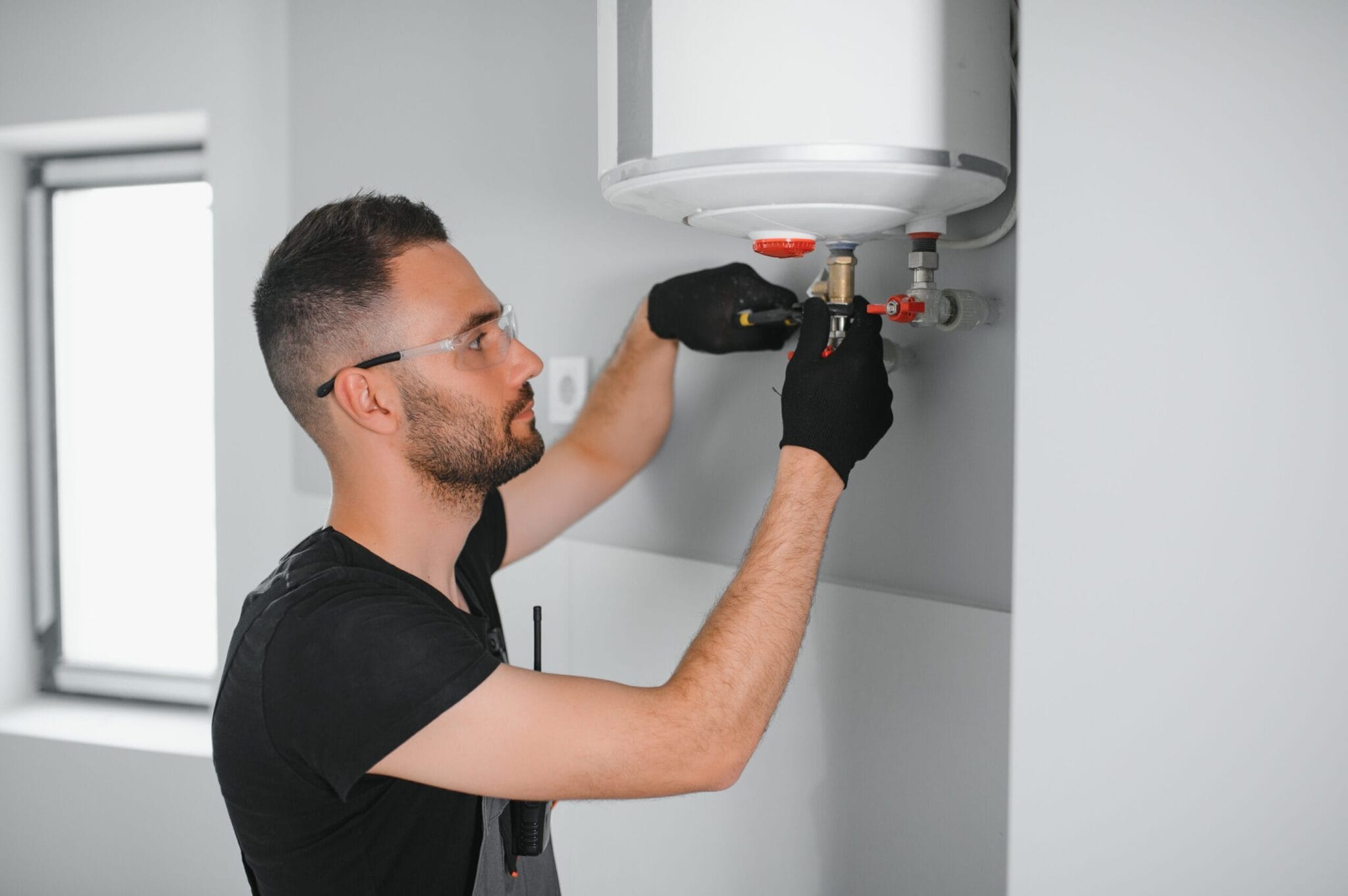
How long does a water heater installation take?
A straightforward tank replacement is usually a same-day job, often a few hours once we have the right unit on hand. A tankless installation, or one that involves updating old connections, venting, or gas lines, takes longer. We size the unit to your household, secure every connection, and verify safe venting and pressure relief before we leave, and we give you a realistic time frame when we assess the install.
Why does my water heater make popping noises?
That rumbling or popping is almost always sediment built up at the bottom of the tank. As the burner heats the tank, water trapped under the sediment boils and forces its way out, which makes the noise, and the hard water around here speeds that buildup along. Beyond being annoying, heavy sediment makes the unit work harder and shortens its life. Flushing the tank can help if it is caught in time, which is why we often suggest a regular flush schedule for local homes.
Repair or replace, how do you decide?
We weigh the age of the unit, the nature of the problem, and the cost of repair against starting fresh. A young water heater with a failed part is usually worth repairing. An older one with a corroded tank, or one needing repeated repairs, is money better spent on a replacement. We lay out both paths honestly and let you decide, rather than pushing the option that suits us.
Pipe Repair, Repiping and Water Line FAQs in Dunedin
What should I do about a burst pipe?
Act fast, because water spreads quickly. Shut off your main water supply right away to stop the flow, then move valuables clear of the water and reach out to us. If the burst is near electrical wiring, stay clear and treat it as a hazard. A burst pipe is a genuine emergency, and the speed of the shutoff and response largely decide how much damage you are left repairing. We respond quickly and stabilize things before tackling the full repair.
How do I know if I have a slab leak?
Slab leak detection in Dunedin homes starts with the telltale signs: a warm spot on the floor, running water you can hear with everything shut off, unexplained cracks in flooring, a climbing water bill, or low pressure paired with damp underfoot. Because the leak hides beneath the concrete slab, pinpointing it is most of the work. We use electronic detection and pressure testing to find the exact spot without tearing up the whole floor, then choose the least invasive repair.
What causes low water pressure in Dunedin homes?
Several things can be behind it. In older homes, corroded galvanized supply pipe is a frequent culprit, since the buildup inside narrows the flow over years. A hidden leak, mineral scale, or a problem with the main water line can also drop your pressure, and sometimes it is just a clogged aerator on one faucet. We diagnose the actual source rather than guessing, because the fix for a clogged fixture is nothing like addressing a failing main line.
When does an older home need repiping?
Repiping older homes in Dunedin makes sense when the original supply lines have corroded to the point of frequent leaks, persistent rust colored water, or pressure that no longer recovers. Patching one section after another on aging galvanized pipe eventually costs more than replacing it. We assess the whole system, not just the spot that failed, and tell you honestly whether a repipe is the wiser move or whether targeted repairs will still serve you.
Why is my water rust colored?
Rust colored water from the taps usually signals corrosion inside aging galvanized pipe, common in older Dunedin homes. As the pipe deteriorates from the inside, rust flakes loosen into the water, and it can also come from a water heater nearing the end of its life. If the discoloration is constant rather than a brief burst after the water sits, the pipe or heater is likely the source. We trace it to the cause and explain whether a repair or repipe is needed.
Can you fix a leaking pipe inside a wall?
Yes, this is routine work for us. Most homeowners notice a leak in a wall as a damp patch, bubbling paint, a musty smell, or a jump in the water bill. We locate it precisely so we open the wall only where needed, repair the affected section, and confirm the fix holds before closing up. Catching a hidden leak early matters, since water behind drywall quietly rots framing and grows mold long before the stain appears.
Garbage Disposal Repair and Installation FAQs in Dunedin
How do I fix a jammed garbage disposal?
When a garbage disposal is jammed and just hums without spinning, first turn it off at the wall for safety. Many units have a hex wrench slot on the bottom that lets you free the flywheel, and a reset button that often gets it going again. Never put your hand inside the unit. If it stays jammed, trips repeatedly, or leaks, reach out, and we will free it if it can be saved or recommend a clean replacement if the motor is done.
Why does my disposal keep tripping the reset?
A disposal that repeatedly trips its reset or the breaker is usually overworked, jammed, or wearing out. A stubborn jam forces the motor to draw too much power, which trips the safety, and sometimes it is simply an aging motor on its way out. We check the motor, the reset, and the drain connection to figure out whether clearing it solves the problem or whether the unit has reached the end of its life.
What should I never put down a garbage disposal?
A few things cause most of the jams we see. Keep out fibrous items like celery and corn husks, starchy foods like potato peels and pasta that turn to paste, grease and oil that congeal in the line, coffee grounds, and obviously bones or anything hard. Running cold water while the disposal works and feeding it scraps gradually rather than all at once goes a long way. We are glad to point out the specific habits causing repeat trouble in your kitchen.
Is it worth repairing an old disposal or should I replace it?
It depends on the unit and the problem. A disposal that is jammed or has a minor issue is often worth clearing or repairing. One that leaks from the bottom housing, trips constantly, or has a failing motor is usually better replaced, since repairs on a worn unit tend to be short-lived. Replacement units are not a major job to install. We assess what is actually wrong and give you a straight recommendation rather than steering you toward the pricier path.
How long does a garbage disposal last?
Most disposals serve well for a number of years, though how you use it makes a big difference. Feeding it the wrong scraps, running it without enough water, or overloading it all shorten its life. When yours starts jamming often, leaking, smelling no matter how you clean it, or making metallic noises, it is usually signaling the end. We can squeeze more life out of one when it makes sense, or install a new unit when the old one is done.
Plumbing Fixture Installation and Repair FAQs in Dunedin
My toilet keeps running, what should I do?
A toilet that keeps running usually comes down to a worn flapper, a faulty fill valve, or a chain and float out of adjustment inside the tank, and it wastes a surprising amount of water. Lifting the tank lid and watching a cycle often reveals the culprit, and sometimes a simple flapper swap solves it. If the running continues, or the parts look worn, reach out and we will pin down the exact cause and replace what is needed so it stops.
Why is my faucet dripping even when it is off?
A faucet dripping all night is typically a worn washer, cartridge, or seal that no longer closes fully. Beyond the annoying sound, that steady drip wastes real water over a month. The fix is usually replacing the worn internal part rather than the whole faucet, though a badly corroded fixture sometimes warrants replacement. We identify the worn component, replace it, and run the faucet through several cycles to confirm it seals properly before we call it done, so the drip does not creep back.
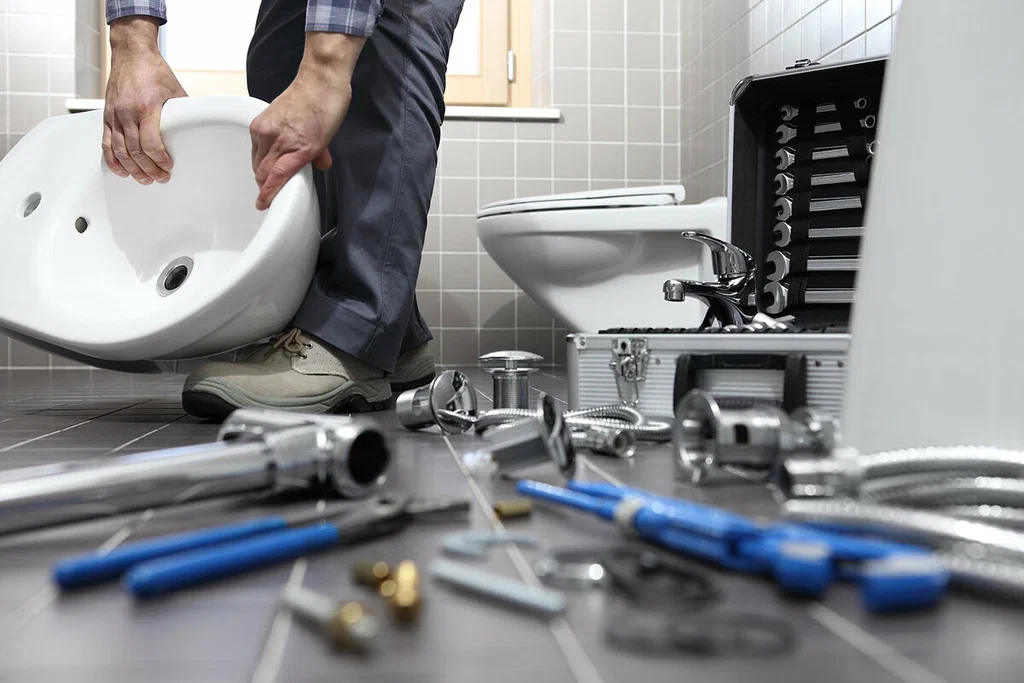
What questions should I ask before a toilet installation?
Good things to think about include the rough-in measurement so the new toilet fits the existing drain, the height and style that suit your household, and whether the supply line and shutoff valve are in good shape. In older Dunedin bathrooms, the install sometimes turns up dated rough-in plumbing or a worn flange. We check all of that before setting the fixture, so you end up with a toilet that sits solid, seals properly, and does not rock or leak.
Can you install a new shower or replace a shower valve?
Yes, both are regular jobs for us. When a customer wants us to install a new shower or handle a shower valve replacement, we shut off and protect the supply, set everything properly, and test it thoroughly before finishing. A scalding or sticking shower valve is a common reason homeowners call, and replacing it restores safe, steady temperature control. In older homes, a valve job occasionally reveals dated rough-in plumbing behind the wall, and we flag that for you rather than quietly working around it.
How do I know if a fixture is worth repairing or replacing?
We look at the age and condition of the fixture and the nature of the problem. A quality faucet or toilet with a single worn part is usually worth repairing. A heavily corroded, dated, or repeatedly failing fixture is often better replaced, since chasing repairs on it rarely pays off. We give you the honest trade-off, including how much longer a repair is likely to hold, and let you decide. There is no sense pouring money into a fixture that is going to fail again soon.
Gas Line and Emergency Plumbing FAQs in Dunedin
What should I do if I smell gas?
Treat it as the serious hazard it is. If you smell gas or suspect a gas leak, go outside immediately and call 911 – this is a serious emergency that needs urgent attention from the gas company. Do not flip switches, light anything, or use your phone inside, since a spark can ignite the gas. Once the area is safe and the gas company has cleared it, we can inspect, pressure-test, and repair the line. Gas is never something to investigate yourself or put off.
Do you handle gas line installation for appliances?
Yes, we take on gas line repair and fresh gas line installation for stoves, ranges, dryers, and outdoor grills. Every gas job starts with a careful inspection and a pressure test, because the only acceptable result is a tight, leak-free system. We size and route the new line, lock down each fitting, and verify the whole run holds before any appliance gets connected. Gas work is safety-critical, so we never trade a shortcut for a step.
How fast can an emergency plumber arrive in Dunedin?
We move as fast as we safely can, and we treat true emergencies as the priority they are. Burst pipes, major leaks, sewage backups, and failed water heaters cannot wait, so when you reach out and describe the situation, we give you a straight answer about timing rather than a vague promise. While we are on the way, we are glad to talk you through immediate steps like shutting off your water, which often limits the damage before we even arrive.
What makes something an after-hours emergency?
If a problem is actively causing damage or threatening safety and cannot wait until normal hours, it is an after-hours emergency. Water pouring from a burst line, sewage backing up, a complete loss of water, or any gas concern all fit. As a 24 hour plumber serving Dunedin, we answer these calls because we know water does not pause overnight. A dripping faucet, on the other hand, can wait for a scheduled visit. When in doubt, reach out and describe it, and we will help you judge.
How can I limit damage before the plumber arrives?
The single most useful step is shutting off the water, either at the fixture valve or the main, which is why we suggest locating your shutoff ahead of time. Move valuables and furniture clear of the water, and if the trouble is near electrical wiring, keep your distance and treat it as a hazard. For a gas concern, get outside first. Knowing how to stop an emergency water leak buys you time, and we will coach you through it while we head your way.
Do you charge extra for emergency calls?
We talk through the specifics of any emergency job with you before work begins, so you understand what responding involves rather than being caught off guard. Our focus in an emergency is stopping the damage fast and stabilizing your home, then handling the full repair properly. We would always rather you call us when water is actively spreading than hold off out of worry, because the cost of waiting while the damage grows is almost always steeper than the cost of acting quickly.
Service Area and Scheduling Questions for Dunedin
Is there a good plumber near me in Dunedin?
If you are in Dunedin or the nearby towns of Oldsmar and Safety Harbor, you are squarely inside our service area. We are a local crew working these streets every day, so we already know the homes and the plumbing issues that tend to come up across the area. That familiarity means we often arrive with a good idea of what we are walking into. Reach out, describe your situation, and we will let you know how soon we can be at your door.
What areas do you serve around Dunedin?
We cover Dunedin and the communities around it, including the historic downtown, the streets out toward the causeway, and the waterfront neighborhoods, along with the nearby towns of Oldsmar and Safety Harbor. We also reach into adjacent areas like Ozona, Crystal Beach, and the edges of Palm Harbor and Clearwater. If you are not sure whether your address falls within our range, just ask when you reach out and we will tell you straight.
How soon can I get a same day plumber in Dunedin?
For pressing problems like no hot water, a backed-up drain, or an active leak, we work to reach Dunedin homeowners the same day whenever the schedule allows, and urgent issues move to the front. Same day timing depends on the day’s workload, but we always give you an honest read on when we can arrive instead of a vague maybe. The more detail you can share about the problem when you reach out, the better we can prioritize and prepare.
How do I schedule a visit that is not an emergency?
Just reach out and tell us what is going on, and we will set a time that works for you with a clear window so you are not stuck waiting all day. We confirm the appointment and let you know promptly if anything shifts, because a silent no-show is not how we operate. Planning ahead also lets us arrive with the right parts on hand, which often means finishing the job in a single visit.
What should I have ready before you arrive?
A little preparation speeds things up. Clear the area around the problem so we can get to work, and if there is an active leak, shut off the water at the fixture or main if you can do so safely. Move valuables away from any water. It also helps to make a mental note of when the trouble started and what you noticed, since those details often point us toward the cause faster. None of this is required, but it all helps us help you sooner.
Why Dunedin Homeowners Keep Coming Back to Dunedin Plumbing Pros
The reason folks call us again, and send their neighbors our way, usually comes down to a specific moment when we did right by them. One family near the historic downtown had lived with weak pressure for months and assumed it was just how their old house behaved. We traced it to corroded galvanized supply lines, explained the options plainly, and gave them their water back. They have called us for everything since.
Another homeowner caught a faint musty smell and a small ceiling stain that two earlier visits had blamed on the roof. A careful look turned up a pinhole leak in a supply line overhead, and fixing that pipe ended a problem paint and sealant never would have. That is the difference between chasing a symptom and finding the cause.
We have answered late weekend calls in Safety Harbor with water spreading across a kitchen floor, arriving in time to stop it short of the cabinets. We have cleared stubborn main line clogs for families in local condos and shown them how to prevent a repeat, and we have talked homeowners through finding a shutoff over the phone while a pipe was leaking.
It is steady, honest work from a crew that knows Dunedin homes and treats them with care, and that is what brings people back.
Conclusion
After years of working on homes throughout Dunedin, we have seen just about every plumbing problem these houses can throw at us, from corroded old supply lines and stubborn drain clogs to failed water heaters, slab leaks, and midnight burst pipes. We put this FAQ page together to give you honest, practical answers before you ever pick up the phone, because an informed homeowner makes better decisions and worries less. Whether your house is a mid-century build on aging pipe or a newer place with a modern tankless system, we bring local knowledge, careful diagnostics, and respect for your home to every job. If your question was not covered here, or you are ready for help with a specific problem, we are the local team that has seen it all.
Zip codes we serve: 34698, 34697, 34677, 34695
Plumbing Pro Services
Committed To Flowing Water & Peace Of Mind
Reliable plumbing solutions for residential and commercial needs. We ensure your pipes, drains, and fixtures are working perfectly.
We Deliver Expert Results
Don’t gamble with your plumbing. We combine years of experience with modern technology to deliver lasting repairs and installations. Our team respects your time and your property.
- Fixture Installation
- Leak Detection
- Modern Diagnostics
- Drain Cleaning